
Small Pension Has Big Value with Mid-America Project’s Help
A recent success story from the Mid-America Pension Project demonstrates that even a very small monthly pension can pay big dividends and is worth fighting for, especially with help from a pension counseling project. The Mid-America Pension Project is one of six counseling projects supported by the Administration on Community Living that provide free critical […]

Celebrate 50 Years with the Pension Rights Center
This year, the Pension Rights Center marks 50 years of standing up for workers, retirees, and their families. Since its founding, PRC has helped people secure the retirement benefits they earned, advanced stronger protections in federal law, and worked toward a future in which every American can count on a financially secure and adequate retirement […]
Mid America Pension Project Rescues Surviving Spouse’s Benefit
A recent success story from the Mid-America Pension Project shows why it often pays for people who can’t get the pension benefits they are owed to ask the Pension Counseling Projects to take on their fight. The Mid America Pension Project is one of six counseling projects supported by the Administration on Community Living that […]

Pension Action Center Helps Widow Receive Retroactive Benefits
Elaine contacted the Pension Action Center (PAC) for help in securing a survivor benefit. After her husband passed away, she tried to contact the plan to begin receiving her benefits. While the plan never denied that she was owed a benefit, it proved particularly challenging for Elaine to contact the plan for information or have […]

Pension Rights Center Participates in Women’s Retirement Security Day
Today, the Pension Rights Center joins the American Retirement Association (ARA) and an array of employers, financial professionals, policymakers and community organizations in participating in the first Women’s Retirement Security Day. Women’s Retirement Security Day is focusing on the unique challenges women face that can lead to economic insecurity in retirement – and promoting ways […]
Western States Pension Assistance Project Helps Retiree Prove Eligibility for Pension
A 62-year-old Western States Pension Assistance Project (WSPAP) client, Mary, was preparing for retirement. She had earned a pension for her work at a Californian telephone company in the 1980s. Mary routinely checked her electronic statements to confirm that her monthly benefit would be around $250 per month. However, before reaching the normal retirement age of […]

A Tribute to Pension Rights Center’s Esteemed Board Member Daniel Halperin
The Pension Rights Center is deeply saddened by the unexpected death of our long-time friend, colleague, and esteemed board member, Daniel I. Halperin. He was 89. The chair of the Pension Rights Center board, Nancy Altman, said “He was a giant of a man who will be dearly missed. Not only was he a decades-long […]
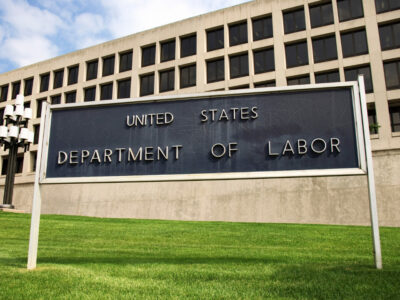
DOL Needs to Strengthen Plan Disclosure Notice Requirements
By David Brandolph A recent New York Times (NYT) article demonstrates why, in this age of online accounts, it’s so important to have and retain paper copies of our financial statements and documents, including retirement plan disclosures. In the article, columnist Tara Siegal Bernard fielded a question from a woman living in Colorado who lost […]

Spring Newsletter
Save the Date: the PRC is Celebrating its 50th Anniversary For five decades, the Pension Rights Center has helped workers and retirees secure their earned retirement benefits and championed improvements to our nation’s private sector retirement system. The Center will celebrate this milestone in Washington, DC on November 5th at the Planet Word museum in […]

State Auto-IRA Programs Boosting Creation of Small-Employer Plans
By David Brandolph Over the past decade, many states have started mandatory auto-IRA programs to give private-sector workers whose employers don’t sponsor a retirement plan an opportunity to easily save for retirement at their workplace. A study published by the Center for Retirement Research at Boston College by Adam Bloomfield, Manita Rao and Sita Slavov, […]
Pension Rights Center Issues Comments on Department of Labor’s Proposed Regulations on Delivering Important Disclosures on Paper to Workers and Retirees
WASHINGTON, D.C., May 1, 2026—Earlier this week, the Pension Rights Center (PRC) submitted comments to the Department of Labor (DOL) to strengthen the Agency’s proposed regulations to implement specific provisions of the SECURE Act 2.0, which require private-sector retirement plans to provide workers and retirees with periodic paper individualized pension benefit statements. Individual Benefit Statements […]

Organizations protecting workers and retirees Urge Representatives to Oppose ERISA Litigation Reform Act
On March 12th, several consumer, research and retiree groups, including the Pension Rights Center, wrote to members of the House Committee on Education and the Workforce to urging them to oppose “The ERISA Litigation Reform Act” (HR 6084) when it comes before the Committee for consideration. The PRC argued that HR 6084 would undermine the […]


