Changes to Retirement Plans Highlights:

Companies that have transferred pensions to insurance companies
Companies That Have Changed Their Defined Benefit Pension Plans
The Latest on Changes to Retirement Plans:
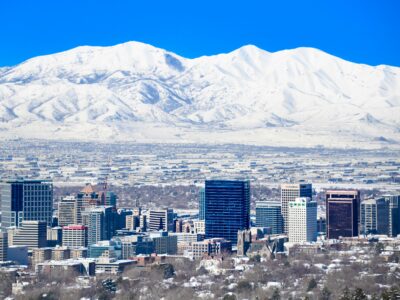
Salt Lake Tribune: Utah’s largest employer is freezing pension contributions for more than 22,000 workers
For 50 years, Intermountain Health has sponsored pension plans, which provide retirees a guaranteed payout, with amounts depending on how long workers were employed and how much they earned. That made Intermountain Health an outlier among Utah employers, even as it had been limiting access to the benefit in recent years. The nonprofit healthcare system […]

MarketWatch: Could your employer take away your 401(k) match? Sherwin-Williams just did it.
For countless American workers, the 401(k) company match is simply a fact of life: They contribute regularly to their employer-sponsored retirement plan — and in turn, the employer kicks in a matching amount. The average company contribution equates to 4.6% of a worker’s pay, according to Vanguard. But what if that match just disappears?

Retaining Employment Records Can Be Crucial
Everyone Makes Mistakes It’s a fact of life: everyone makes mistakes—including retirement plan administrators. Mistakes are especially likely to occur when employers change recordkeepers or systems of keeping records. Retaining your own records of employment can mean that those mistakes can be corrected. Changes for Federal Workers The recent announcement from the Office of Personnel […]

Forbes: One Easy Way To Boost Your 401(k) Account, Starting Now
“Participants who withdraw plan funds to cover non-retirement expenses,” notes the Pension Rights Center, “no matter how justified, are shortchanging their future. Every dollar withdrawn will no longer be in the account where it can grow tax deferred. That lost principle, combined with the loss of potential interest and investment gains over what could be […]
Pensions & Investments: Is renewed interest in DB plans real, or just a pipe dream?
The news around corporate defined benefit plans over the past couple decades has been bleak, with companies expeditiously freezing or terminating plans. But with some help out of Washington, experts say there’s an opportunity for employers to reopen plans still on their books or provide their workers with guaranteed income in retirement.

Uptick in Withdrawals Exposes the Inadequacy of Do-It-Yourself Retirement
By David Brandolph For decades, employers have been steadily ridding themselves of the responsibility of funding and making payments to traditional defined benefit pensions in favor of 401(k)-type defined contribution plans. But are these individual account retirement savings plans providing sufficient retirement income for most Americans? For millions of workers, that answer is “No.” A […]


